
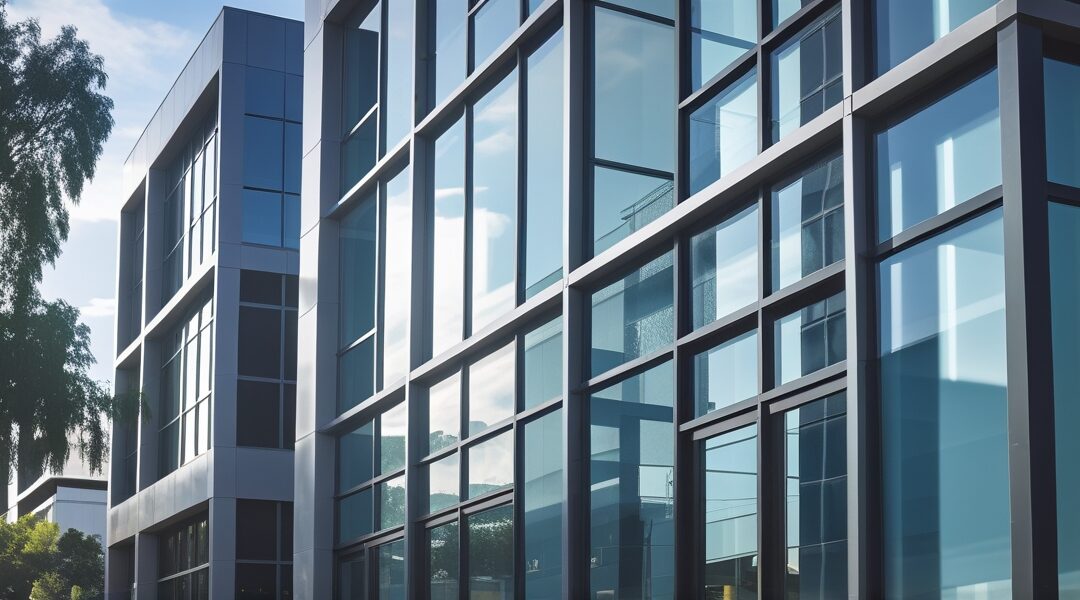
Commercial Exterior Window Cleaning Checklist for Melbourne Properties
This comprehensive checklist is written for facility managers, building owners and property managers in Melbourne who need reliable guidance on commercial exterior window cleaning. It covers best practices, safety and compliance, equipment and access methods, environmental considerations, frequency recommendations, common problems and solutions, and pricing factors relevant to Melbourne properties.
Why professional exterior window cleaning matters for Melbourne buildings
Consistent, professional cleaning extends the life of glazing, protects building façades from staining and deterioration, improves tenant satisfaction and contributes to a professional street presence. For many inner-city and suburban premises, regular exterior cleaning is part of proactive building maintenance that prevents costly restoration later.
Primary keywords (highlighted)
Key search terms included throughout this guide: commercial exterior window cleaning, window cleaning Melbourne, Melbourne properties, exterior window cleaning checklist.
Summary of regulations and safety requirements
In Victoria, safety and compliance are central to any exterior work. Key points to follow:
- WorkSafe Victoria requirements — Employers and contractors must comply with WorkSafe Victoria duties under the Occupational Health and Safety Act. This includes risk assessments, safe work method statements (SWMS) for high-risk construction work, and adequate training and supervision for personnel working at heights.
- Working at heights — Use of fall-arrest systems, harnesses, anchor points and complying equipment is mandatory where there is a risk of falling. Ensure equipment meets relevant Australian Standards.
- Mobile Elevating Work Platforms (MEWPs) — Operators must be trained and authorised. MEWPs should be inspected and maintained in accordance with manufacturer recommendations and relevant AS/NZS standards.
- Traffic and public safety — For works over footpaths and roads, arrange traffic management plans and permits from local councils. Protect pedestrians with exclusion zones, signage and handrails where required.
- Licences and qualifications — Ensure staff hold appropriate licences (e.g. high-risk work licences for some plant/equipment, confined space if relevant) and that rope access technicians are trained to internationally recognised rope access standards where abseiling is used.
Environmental considerations for Melbourne operations
Melbourne has variable weather and specific local expectations around water use and chemical runoff. Best practices include:
- Minimise runoff to stormwater drains; capture and dispose of wastewater responsibly where possible.
- Use biodegradable, low-toxicity detergents formulated for glass and facades. Avoid highly alkaline or acid cleaners unless absolutely necessary and applied by trained technicians.
- Employ purified water systems (deionised/pure water) which reduce the need for detergents and eliminate spotting, cutting overall chemical usage.
- Comply with EPA Victoria recommendations for waste and chemical handling. If using any restricted chemicals, follow labelling and Safety Data Sheet (SDS) directions and local requirements.
- Plan cleaning around weather and seasonal runoff: avoid cleaning during heavy winds, heavy rain or when bird activity is high (to avoid re-soiling immediately).
Common equipment and access methods used in Melbourne
Different building types and access constraints in Melbourne CBD, inner suburbs and outer suburbs mean operators need a toolbox of safe access options:
- Water-fed pole systems — Excellent for low- to mid-rise buildings and shopfronts. Uses purified water to leave a streak-free finish without detergents.
- Mobile Elevated Work Platforms (MEWPs) / cherry pickers — Common for medium-height facades in both CBD lanes and suburban locations. Requires trained operators and pre-use inspections.
- Scaffolding and mast climbers — Suitable for larger façades or long-term projects where repeated access is needed. Provides stable work platforms for detailed cleaning and minor repairs.
- Rope access / abseiling — Used for high-rise or architecturally complex façades where MEWPs/scaffolding are not feasible. Technicians must be trained to industry rope-access standards and follow strict rescue plans.
- Cradles and suspended platforms — Employed on many high-rise commercial buildings. Must be certified, inspected and operated by competent crews.
- Pressure washing and soft-wash systems — For building surrounds and frames, but generally low-pressure soft-wash is preferred for glass and delicate sealants to avoid damage.
Pre-cleaning checks (site assessment checklist)
Before any external window cleaning starts, perform a site-specific assessment and document it in writing:
- Identify access points and safe egress for crews.
- Check for building-mounted hazards: loose façade elements, bird nests, signage, antennas.
- Assess footpath and road impacts and obtain any required council permits or approvals.
- Confirm anchor points, lanyard points and EWP set-up zones for safe operation.
- Review weather forecast to avoid wind, high temperature or rain during work.
- Obtain SDS for all cleaning agents and ensure PPE is compatible (gloves, eye protection, harnesses).
Step-by-step exterior window cleaning checklist
Use this checklist during every shift to ensure consistent quality and safety:
- mobilisation and briefing
- Conduct a toolbox talk covering hazards, assigned roles, emergency procedures and weather conditions.
- Verify licencing and training records for all crew members.
- site setup
- Set up exclusion zones, signage and temporary barriers on footpaths if needed.
- Position MEWPs or scaffolding and record machine pre-start checks.
- inspection of glazing and frames
- Inspect windows for damaged seals, cracked glass, or compromised frames. Report defects to the client and do not proceed with risky repairs without approval.
- initial rinse
- Use purified water or low-pressure rinse to remove loose dirt, grit and bird droppings. This reduces abrasion during scrubbing.
- application of cleaning solution
- Apply detergent only where needed. For most commercial glass in Melbourne, pure water systems will suffice without detergent.
- Use biodegradable cleaners on frames, stone and metal surfaces.
- agitation and removal
- Use squeegees, soft brushes or microfibre pads to loosen grime, taking care around seals.
- For stubborn stains (hard water, paint overspray), use manufacturer-recommended specialist solvents applied by trained technicians.
- final rinse and inspection
- Perform a final rinse with purified water to eliminate spotting, then hand-squeegee or use microfibre for edges.
- Inspect from multiple angles and note areas requiring touch-up.
- site pack-up and reporting
- Remove all waste and equipment, ensuring no contaminants enter stormwater drains.
- Provide the client with a completion report noting any defects and recommended remedial actions.
Frequency recommendations by building type
Cleaning frequency depends on location, building use and aesthetic expectations. Typical schedules for Melbourne:
- Retail shopfronts / inner-city retail — Weekly to fortnightly to maintain presentation and remove pollution and grime from high foot-traffic locations.
- Office towers / commercial high-rise — Quarterly to biannual for exterior glazing; some premium buildings may require monthly cleaning of key façades.
- Medical facilities and hospitality — Monthly to quarterly to meet hygiene and presentation standards.
- Industrial buildings — Biannual to annual depending on dust and onsite processes that generate dirt.
- Heritage or conservatory glazing — Specialist approach; cleaning frequency determined by conservation needs and gentle cleaning methods.
Common problems and solutions specific to Melbourne
Melbourne’s climate, coastal influences and urban pollution create recurring issues:
- Hard water staining and mineral deposits — Use pure water systems plus mild acid-based scale removers applied carefully by trained staff. Regular maintenance prevents build-up.
- Air pollution and traffic film — More frequent cleanings in busy streets; use non-abrasive detergents and mechanical agitation to remove oily films.
- Bird droppings and nesting — Prompt removal prevents etching. Install deterrents (spikes, netting) as appropriate and approved for the building.
- Paint overspray and graffiti — Use specialist solvents and test in an inconspicuous area before full application; involve conservation specialists for delicate façades.
- Damaged seals / fogging double glazing — Not a cleaning issue — document and refer to glazing specialists for repair or replacement.
Pricing factors and how quotes are formed
Commercial exterior window cleaning costs depend on many variables. Understanding these will help you compare quotes fairly:
- Height and access complexity — Abseiling and cradle systems cost more than water-fed pole work. MEWPs or scaffolding add to mobilisation fees.
- Frequency and contract length — Regular contracts usually attract lower per-visit rates than one-off cleans.
- Number and size of panes — More glass surface area increases labour time.
- Condition of glass — Heavily soiled or neglected windows require more intensive cleaning and specialised chemicals.
- Safety requirements and permits — Traffic control, council permits and scaffolding licences contribute to total cost.
- Time and scheduling constraints — After-hours or weekend work may be charged at premium rates to avoid disruption to tenants or traffic.
Selecting a contractor in Melbourne — what to check
When appointing a cleaning contractor for your Melbourne property, confirm these essentials:
- Proof of public liability and workers’ compensation insurance.
- Copies of licences, high-risk work tickets, MEWP operator licences and rope access certification where applicable.
- Evidence of safety management: SWMS, risk assessments and incident reporting procedures.
- References and examples of similar jobs in Melbourne or comparable environments.
- Clear pricing that separates mobilisation, equipment hire and consumables.
- Environmental policy describing water use, detergent choice and waste disposal practices.
Useful local resources and industry references
For more details on local suppliers, techniques and background reading, these resources are helpful. The link below is provided for service information and should be referenced for practical service options in Melbourne:
Additional industry information and articles on cleaning practices and customer-facing tips can be found at the following general resource:
Record keeping and quality assurance
Maintain a log for each property that includes:
- Dates and scope of each cleaning visit.
- Equipment and chemicals used (including SDS references).
- Inspections and photographic records before and after, noting defects.
- Any permits or council approvals obtained for the work.
- Incident reports and corrective actions taken.
Emergency and incident procedures
Ensure the contractor and on-site personnel have clear procedures for:
- Falls or equipment failure (rescue plans for rope access and confined spaces if relevant).
- Chemical spills, including containment and notifying EPA Victoria if required.
- Public incidents (injury to pedestrians) — immediate first aid and incident reporting to local authorities.
Practical tips for Melbourne property managers
- Schedule major cleans outside Melbourne’s peak storm seasons to avoid re-soiling soon after work is done.
- Combine window cleaning with façade and gutter inspections to identify maintenance issues early.
- Ask contractors about water purification systems — purified water reduces detergent use and spotting.
- Insist on photographic job completion reports to verify quality and for future maintenance planning.
- Consider entry-level monthly cleans for high-visibility retail premises and quarterly cleans for mid-rise offices.
Frequently asked questions (FAQs)
How long does a typical commercial exterior window clean take?
Duration depends on access and size. A small two-storey shopfront may take 1–2 hours, while a large multi-floor office façade could require a full day or multiple days. Quotes should provide estimated crew hours.
Are water-fed poles effective for Melbourne’s pollution?
Yes. Water-fed pole systems with purified water are highly effective for removing traffic film and general grime on low- to mid-height glazing and reduce the need for detergents.
Do cleaners handle seal or glass replacement?
No — reputable window-cleaning contractors will report seal failures, fogging or cracked glass and recommend glazing specialists for repair or replacement rather than attempting unsafe remedial work.
Conclusion
Effective commercial exterior window cleaning in Melbourne combines safety compliance, environmental responsibility and the correct choice of equipment and frequency. By using a documented checklist, selecting accredited contractors and prioritising purified water systems and low-toxicity detergents, property managers can maintain their building appearance, protect glazing assets and comply with Victorian safety and environmental expectations.
If you manage multiple properties or a single high-profile building in Melbourne, this checklist can be adapted into a site-specific Standard Operating Procedure (SOP) to ensure consistent outcomes across all cleaning visits.
Further reading and official contacts
Suggested official sources to consult for the most recent regulatory and environmental guidance:
- WorkSafe Victoria — for guidance on working at heights, high-risk work and safety requirements: https://www.worksafe.vic.gov.au/
- EPA Victoria — for environmental guidance on wastewater and chemical disposal: https://www.epa.vic.gov.au/
- Australian Standards relevant to access and fall protection (search for AS/NZS standards on Standards Australia or SAI Global).
Note: This guide is intended to provide practical, up-to-date advice for Melbourne property managers. For project-specific legal or compliance advice, consult WorkSafe Victoria, EPA Victoria or a qualified occupational health and safety consultant.
https://shorturl.fm/XjBKF
https://shorturl.fm/37YUY
https://shorturl.fm/Ha6D5
https://shorturl.fm/E6sho
https://shorturl.fm/hlg1t
https://shorturl.fm/oZyWw
https://shorturl.fm/dfMKg
https://shorturl.fm/qwatQ
https://shorturl.fm/Krckf
https://shorturl.fm/SXgDM
https://shorturl.fm/urDAX
https://shorturl.fm/m35Ji
Earn your airdrop on Aster https://is.gd/ZceEI6
Enter your invite code to earn your airdrop on Aster https://is.gd/ZceEI6
Special ability to earn $ASTER bonus https://is.gd/CGTnqR
Fast indexing of website pages and backlinks on Google https://is.gd/r7kPlC
Start sharing our link and start earning today!
Get started instantly—earn on every referral you make!
Hi https://is.gd/9PLRLO
Turn your network into income—apply to our affiliate program!
Partner with us and earn recurring commissions—join the affiliate program!
Get started instantly—earn on every referral you make!
It’s very straightforward to find out any topic on web as compared to textbooks, as I found this post at this web page.
Start earning passive income—become our affiliate partner!
Get paid for every click—join our affiliate network now!
Start earning every time someone clicks—join now!
ongwackfo cialis for bph insurance coverage pzyykhj
Share your link, earn rewards—sign up for our affiliate program!
Invite your network, boost your income—sign up for our affiliate program now!
Share our link, earn real money—signup for our affiliate program!
Partner with us for high-paying affiliate deals—join now!
Earn passive income with every click—sign up today!
Monetize your influence—become an affiliate today!
Become our partner now and start turning referrals into revenue!
Share our products and watch your earnings grow—join our affiliate program!
Become our affiliate—tap into unlimited earning potential!
Monetize your influence—become an affiliate today!
Get paid for every referral—enroll in our affiliate program!
Start earning instantly—become our affiliate and earn on every sale!
I love what you guys are up too. This type of clever work and exposure! Keep up the superb works guys I’ve added you guys to my own blogroll.
Become our affiliate—tap into unlimited earning potential!
Turn your network into income—apply to our affiliate program!
Share your link, earn rewards—sign up for our affiliate program!
Start profiting from your network—sign up today!
Turn your traffic into cash—join our affiliate program!
Your audience, your profits—become an affiliate today!
Maximize your income with our high-converting offers—join as an affiliate!
Share your link and rake in rewards—join our affiliate team!
Drive sales, collect commissions—join our affiliate team!
Drive sales, earn big—enroll in our affiliate program!
Get rewarded for every recommendation—join our affiliate network!
Monetize your audience—become an affiliate partner now!
Ahaa, its good discussion about this paragraph at this place at this weblog, I have read all that, so now me also commenting at this place.
Join our affiliate family and watch your profits soar—sign up today!
Join our affiliate community and start earning instantly!
Become our partner and turn clicks into cash—join the affiliate program today!
Join our affiliate community and maximize your profits!
Start profiting from your network—sign up today!
Invite your network, boost your income—sign up for our affiliate program now!
Start earning passive income—join our affiliate network today!
I love what you guys are up too. This kind of clever work and coverage! Keep up the fantastic works guys I’ve included you guys to my personal blogroll.
Everything is very open with a clear explanation of the issues. It was definitely informative. Your website is useful. Many thanks for sharing!
Share our link, earn real money—signup for our affiliate program!
Start earning instantly—become our affiliate and earn on every sale!
Partner with us for generous payouts—sign up today!
Grow your income stream—apply to our affiliate program today!
Get paid for every referral—sign up for our affiliate program now!
Promote our brand and watch your income grow—join today!
Join forces with us and profit from every click!
Earn big by sharing our offers—become an affiliate today!
Ahaa, its nice discussion concerning this paragraph at this place at this web site, I have read all that, so at this time me also commenting here.
Promote our brand and watch your income grow—join today!
Maximize your income with our high-converting offers—join as an affiliate!
Drive sales, earn commissions—apply now!
Earn passive income with every click—sign up today!
Start earning passive income—join our affiliate network today!
Boost your income—enroll in our affiliate program today!
Tap into a new revenue stream—become an affiliate partner!
Boost your earnings effortlessly—become our affiliate!
These are actually fantastic ideas in regarding blogging. You have touched some fastidious factors here. Any way keep up wrinting.
It’s very easy to find out any topic on web as compared to books, as I found this piece of writing at this web page.
Get rewarded for every recommendation—join our affiliate network!
Turn your audience into earnings—become an affiliate partner today!
Be rewarded for every click—join our affiliate program today!
Get paid for every referral—enroll in our affiliate program!
Partner with us and earn recurring commissions—join the affiliate program!
I just couldn’t depart your website prior to suggesting that I really loved the standard information a person supply on your visitors? Is going to be again often to inspect new posts
Get started instantly—earn on every referral you make!
Drive sales, earn commissions—apply now!
Share our offers and watch your wallet grow—become an affiliate!
Grow your income stream—apply to our affiliate program today!
Join our affiliate program today and earn generous commissions!
Turn your audience into earnings—become an affiliate partner today!
Partner with us and earn recurring commissions—join the affiliate program!
Promote, refer, earn—join our affiliate program now!
Boost your income—enroll in our affiliate program today!
ремонт 2 квартири скільки коштує ремонт квартири під ключ
ремонт 2 кімнатної квартири зробити ремонт квартири
Start earning instantly—become our affiliate and earn on every sale!
ремонт у 2 квартирі приклади вартість ремонту квартири
квартира після ремонту ремонт квартир
Earn recurring commissions with each referral—enroll today!
Join forces with us and profit from every click!
Maximize your earnings with top-tier offers—apply now!
Found a bride? proposal ideas in Barcelona romantic scenarios, beautiful locations, photo shoots, decor, and surprises for the perfect declaration of love. Make your engagement in Barcelona an unforgettable moment in your story.
Found a bride? best proposal spots in Barcelona romantic scenarios, beautiful locations, photo shoots, decor, and surprises for the perfect declaration of love. Make your engagement in Barcelona an unforgettable moment in your story.
Found a bride? planning a proposal in Barcelona romantic scenarios, beautiful locations, photo shoots, decor, and surprises for the perfect declaration of love. Make your engagement in Barcelona an unforgettable moment in your story.
Проблемы с застройщиком? взыскать неустойка дду застройщик помощь юриста по долевому строительству, расчет неустойки, подготовка претензии и подача иска в суд. Защитим права дольщиков и поможем получить компенсацию.
Нужен юрист? https://arbitrazhnyy-yurist.ru представительство в арбитражном суде, защита интересов бизнеса, взыскание задолженности, споры по договорам и сопровождение судебных процессов для компаний и предпринимателей.
ароматы в парфюмерии https://elicebeauty.com/parfyumeriya/filter/_m125_m197/
Нужен юрист? https://arbitrazhnyy-yurist.ru представительство в арбитражном суде, защита интересов бизнеса, взыскание задолженности, споры по договорам и сопровождение судебных процессов для компаний и предпринимателей.
Ищешь кран? кран шаровой приварной для трубопроводов различного назначения. Надежная запорная арматура для систем водоснабжения, отопления, газа и промышленных магистралей. Высокая герметичность, долговечность и устойчивость к нагрузкам.
Проблемы с застройщиком? взыскание неустойки по дду юристы помощь юриста по долевому строительству, расчет неустойки, подготовка претензии и подача иска в суд. Защитим права дольщиков и поможем получить компенсацию.
Нужен юрист? юрист арбитражный суд москва представительство в арбитражном суде, защита интересов бизнеса, взыскание задолженности, споры по договорам и сопровождение судебных процессов для компаний и предпринимателей.
Нужен юрист? https://arbitrazhnyy-yurist.ru представительство в арбитражном суде, защита интересов бизнеса, взыскание задолженности, споры по договорам и сопровождение судебных процессов для компаний и предпринимателей.
Ищешь кран? краны шаровые приварные для трубопроводов различного назначения. Надежная запорная арматура для систем водоснабжения, отопления, газа и промышленных магистралей. Высокая герметичность, долговечность и устойчивость к нагрузкам.
Ищешь кран? кран шаровой под приварку для трубопроводов различного назначения. Надежная запорная арматура для систем водоснабжения, отопления, газа и промышленных магистралей. Высокая герметичность, долговечность и устойчивость к нагрузкам.
купить женские духи https://elicebeauty.com/parfyumeriya/elitnaya-parfyumeriya/adidas-victory-league.html
ноты в парфюмерии https://elicebeauty.com/parfyumeriya/filter/_m122_a205/
Tap into unlimited earnings—sign up for our affiliate program!